

🔧 Introduction: Why Handle Materials Matter
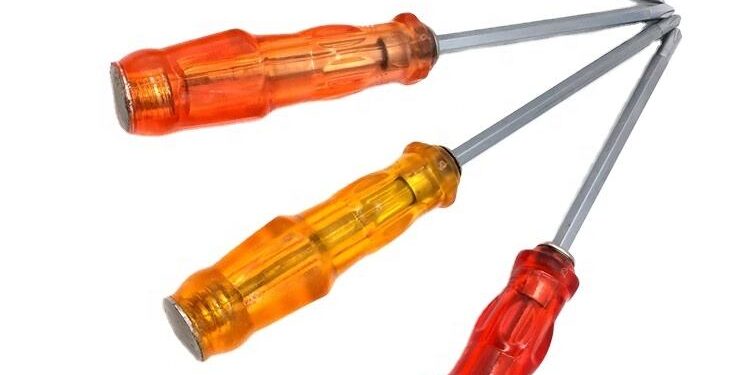
A screwdriver is more than just a blade and shaft—the handle material plays a critical role in grip, comfort, and safety. For industries such as construction, electronics, and automotive repair, selecting screwdrivers with the right handle materials ensures both efficiency and worker protection. For procurement managers, understanding these differences helps in sourcing tools that deliver long-term value.
✋ Common Screwdriver Handle Materials
Different materials offer unique benefits and limitations. The most common include:
-
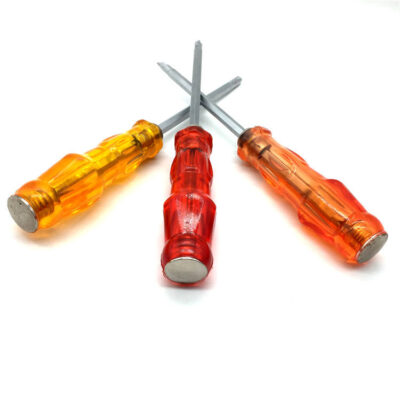
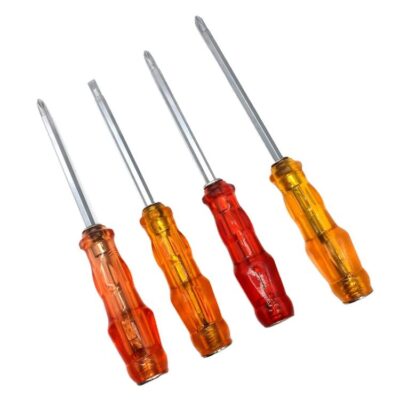
Plastic Handles: Lightweight and cost-effective, suitable for general tasks.
-
Rubberized Handles: Provide anti-slip grip, ideal for oily or wet environments.
-
Wooden Handles: Traditional, durable, and comfortable for extended use.
-
Composite Materials: Combine strength and ergonomics, often used in professional-grade tools.
Working with trusted Screwdriver Manufacturers ensures access to a wide variety of material options tested for industrial performance.
⚙️ Grip and Ergonomics in Daily Use
Grip directly affects worker productivity. A poor grip can cause hand fatigue, slips, and even injuries. Modern ergonomic handle designs often feature:
-
Textured surfaces to improve friction.
-
Soft-touch coatings for comfort during repetitive tasks.
-
Contoured shapes that align with hand movement.
These innovations reduce strain and help workers perform faster with greater accuracy.
🛠️ Safety Considerations for Industrial Buyers
Safety is another critical factor. Handle materials impact:
-
Electrical insulation: Rubber-coated handles are essential for electricians.
-
Chemical resistance: Composite handles withstand harsh industrial environments.
-
Vibration reduction: Cushioned grips minimize strain in high-torque applications.
Buyers sourcing from Hand Tools Manufacturers gain the assurance of compliance with ANSI, DIN, or ISO standards, ensuring both safety and durability.
🌍 Applications Across Industries
Different industries prioritize different handle materials:
-
Electronics assembly: Precision screwdrivers with rubberized grips.
-
Automotive repair: Composite or cushioned handles for torque-heavy tasks.
-
Construction sites: Wooden or plastic handles for general, rugged use.
By offering variety, distributors can meet the needs of diverse customer segments while strengthening their market competitiveness.
🤝 Customization and Branding Opportunities
Suppliers now provide customization to help businesses stand out:
-
Company logos printed on handles.
-
Custom grip colors for brand identity.
-
Special coatings for temperature extremes or chemical exposure.
This level of customization enhances both safety and brand recognition.
✅ Conclusion: Handle Materials Define Performance
The choice of screwdriver handle materials directly influences grip, ergonomics, and safety in industrial applications. For procurement managers, this is not a minor detail—it is a decisive factor in selecting tools that support efficiency and long-term durability.
By sourcing from reliable screwdriver manufacturers, buyers can ensure that every tool delivers comfort, safety, and performance—helping workers achieve more while minimizing risks.